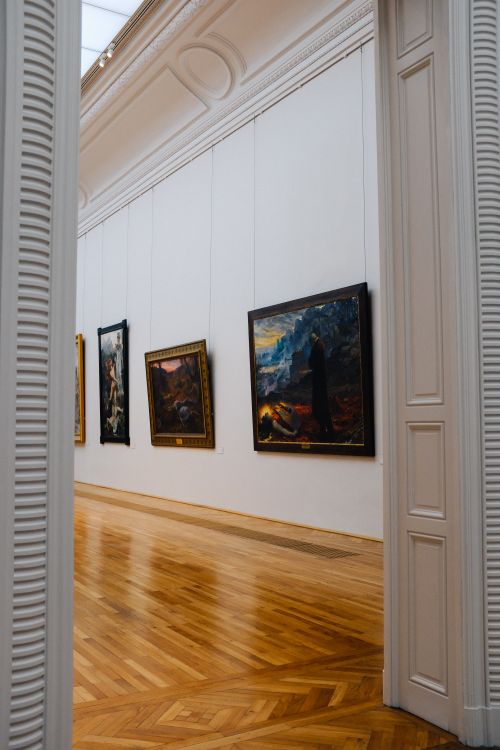
Art does not sell itself across borders
A gallery can hang a stunning show and still stay invisible abroad. Collectors browse in their own language. They read the press text the artist statement and the price list before they ever visit. If those texts feel clumsy the work feels clumsy too. Language is the first brushstroke a foreign buyer sees and it needs the same care as the paintings on the wall.
What advertising copy has to do in art
Art marketing is subtle. It sells emotion context and provenance more than features. A line that sounds elegant in German may sound stiff in English. Another that sounds bold in English may sound arrogant in Italian. Copy must carry atmosphere without overselling. That balance is hard to keep when the text passes through a literal translation.
Transcreation beats translation
For campaigns invitations and catalogue introductions the right approach is transcreation. The writer keeps the idea and rebuilds the sentence from scratch. The goal is the same feeling in the new language and not the same words. Specialist advertising translation services follow this logic and ask for a creative brief before they write a single line.
Which texts matter most
Start with the pieces that drive visits and sales. Exhibition announcements newsletters social captions and the online shop descriptions come first. Wall texts and audio guides follow. Archive material and internal notes can wait. Ranking by commercial impact lets a small gallery spend its translation budget where it produces results.
Artist statements need a careful hand
An artist statement is personal. It carries voice rhythm and sometimes deliberate ambiguity. A translator must respect that voice and still produce a text that reads naturally. Always involve the artist in review. A statement that distorts their intent can damage trust faster than a delayed opening.
Use technology without losing taste
Planning calendars budgets and press lists is where software helps most. A shortlist of the top ai tools can help a small team draft briefs organise assets and compare quotes quickly. Creative judgement still belongs to humans. Machines can sort the pile but they cannot tell which sentence feels right in front of a canvas.
Lessons from the art press
Publications such as ARTnews show how international coverage shapes careers and prices. Their headlines are short vivid and precise. Study how they describe shows in different markets and borrow the rhythm for your own releases. A press text that reads like real art journalism is more likely to be republished.
What marketers can learn from industry media
Trade outlets like The Drum analyse how global brands adapt campaigns for each country. Many of those lessons apply to a gallery. Local humour local references and local channels decide whether a message lands. Treat each market as its own audience and not as an echo of the home market.
Social media in several languages
Instagram and newsletters are core tools for galleries. Posting the same caption in three languages looks lazy and clutters the feed. Prepare separate captions with local hashtags and different calls to action. Schedule them for local time zones so that collectors see them when they scroll.
Pricing and legal wording
Price lists sale conditions and consignment terms carry legal weight. They need accuracy and not creativity. Use a legal reviewer for contracts and keep the commercial tone for brochures. Mixing the two produces ambiguity that can lead to disputes over currency taxes or shipping.
Galleries generate a steady stream of material that is almost but not quite repetitive: artist biographies, medium descriptions and exhibition notes that reuse the same formulations with small variations. That is the precise case the article makes, since those near-matches are where the savings and the consistency both live. Galleries working in several languages find a translation memory pays for itself within a season, mostly by stopping the same term being rendered three different ways.
Keep a visual and verbal style guide
Document how your gallery talks. Which adjectives do you avoid. How do you write dimensions and media. How do you credit photographers. A one page guide gives every translator the same reference and makes your brand recognisable in each language.
Measure what moves
Track visits newsletter signups and enquiries by language. If one version outperforms the others study why. Maybe the headline is sharper or the call to action is clearer. Use those findings to improve the weaker versions instead of guessing.
A simple starting plan
Pick one upcoming show. Prepare the press text in two languages with a native writer. Launch social posts in both and measure results for a month. Then decide whether to scale to more languages. A single well executed pilot is worth more than a dozen rushed translations.
Exhibition catalogues and essays
Catalogue essays are long and dense. They mix art history theory and personal observation. Give the translator time and allow questions to the author. Provide images with captions so context is clear. A rushed catalogue translation stays in libraries for decades and carries every mistake with it.
Invitations and event messaging
An invitation is short but powerful. Dates addresses and dress codes must be exact. The tone should match the event. Opening nights call for warmth and exclusivity while talks and workshops call for clarity. Proofread twice because a single wrong date can empty a room.
Working with curators abroad
Foreign curators want concise material they can scan quickly. Send a short dossier in their language with key images and one paragraph per artist. A clear package gets read. A long confusing PDF in the wrong language ends up in the trash folder.
Reviewing translated marketing before launch
Always ask a native speaker from the art world to read the final text. They notice terms that sound off or too commercial. This last review costs little and protects the reputation you have built with years of exhibitions and careful relationships.
Common mistakes in art translation
Translators sometimes flatten poetic language into dull summaries. Others keep it too literal and lose rhythm. Some change technical terms such as media and dimensions. Brief your writer and provide a glossary of art vocabulary so the final text remains faithful and fluid.
Build lasting relationships
Collectors return to galleries that treat them with attention. Follow up in their language after a visit. Send a short note thanking them and offering details on works they liked. Consistent personal communication builds trust and turns a one time buyer into a long term supporter of your artists.